
Discover Spain: Land of Culture, Sun, and Endless Adventures

Top Attractions
Architectural Masterpieces in Andalusia
Gaudí's Barcelona
Capital City Culture (Madrid)
The Camino de Santiago
Contemporary Icons
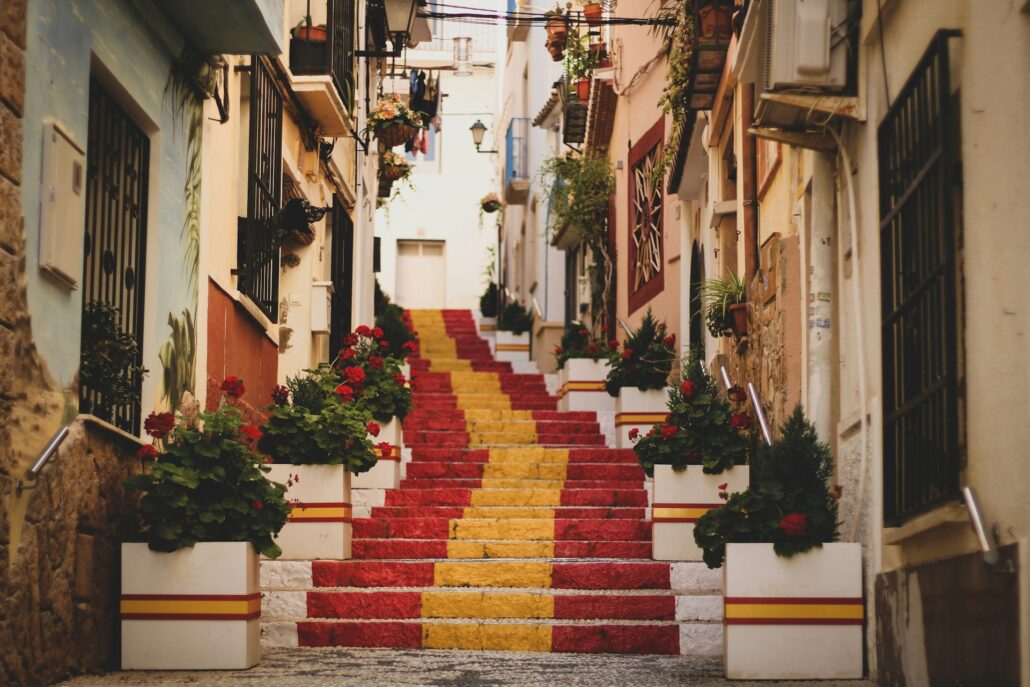
About SPAIN
Spain’s cultural heritage is deeply rooted in centuries of history, from its Roman past and Moorish influence in Al-Andalus to its rise as one of the world’s first global empires. This legacy is reflected in iconic architecture, such as the Alhambra in Granada, the Sagrada Familia in Barcelona, and the historic palaces of Madrid. Spain is also celebrated for its vibrant traditions, including Flamenco music and dance, lively festivals like La Tomatina and Semana Santa, and an unrivaled passion for football. Its cuisine is a major draw for visitors, featuring tapas, paella, jamón ibérico, and region-specific delicacies. Geographically, Spain is diverse, with the high central plateau of the Meseta, lush oceanic regions in the north, arid plains in the south, and a Mediterranean coastline that stretches for thousands of kilometers. This variety creates an array of experiences, from skiing in the Sierra Nevada and hiking in the Pyrenees to relaxing on sun-soaked beaches. Spain’s cities, towns, and countryside blend history, culture, and natural beauty, making it a destination that offers something unforgettable for every type of traveler.
Culture and Heritage
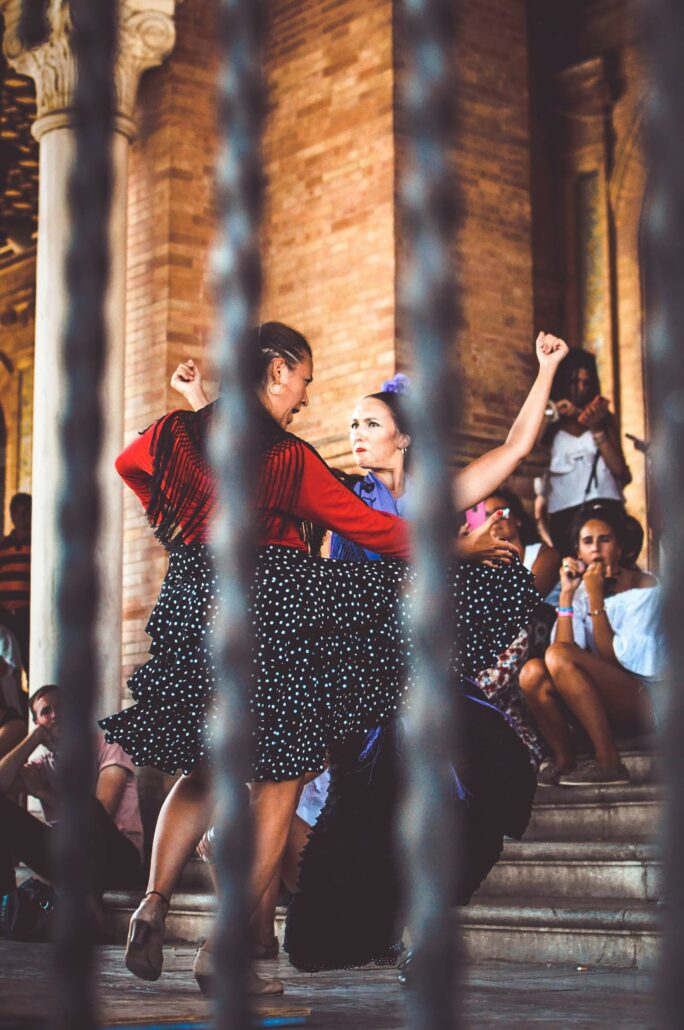
Spain boasts an incredibly rich and varied heritage, shaped by Romans, Moors, Jews, and Christians over centuries.
Architectural Masterpieces: Home to a wealth of UNESCO World Heritage Sites, Spain showcases everything from the jaw-dropping Islamic architecture of the Alhambra in Granada and the Mezquita in Córdoba, to the unique Modernisme of Gaudí’s La Sagrada Familia in Barcelona.
World-Class Art: It is the birthplace of masters like Picasso, Dalí, and Goya. Major cities like Madrid (with the Prado Museum) and Barcelona (with its Picasso and Dalí museums) are essential for art lovers.
Read MoreLess
Vibrant Traditions: Experience the passion of Flamenco dancing and music, and the countless regional fiestas (festivals) that celebrate local customs.
Additionally, Spanish culture is an intense and passionate tapestry woven from centuries of diverse regional histories:
Regional Diversity: While Spanish (Castilian) is the national language, strong regional identities mean that Catalan, Galician, and Basque are also officially recognized and widely spoken in their respective regions.
Flamenco: This soulful, expressive art form, combining singing (cante), guitar playing (toque), dance (baile), and hand-claps (palmas), originated in the Andalusia region and is a powerful cultural expression.
Festivals (Fiestas): Life is celebrated year-round with countless regional festivals, from the intense San Fermín (Running of the Bulls) in Pamplona and the gigantic bonfires of Las Fallas in Valencia, to the world’s largest food fight, La Tomatina.
Artistic Legacy: Spain has produced some of the world’s most influential artists, including Picasso, Dalí, and Goya.
REASONS TO VISIT SPAIN
Few countries can match Spain’s blend of Roman, Moorish, and Christian history, all visible in its architecture and traditions.
From the snowy peaks of the Pyrenees and Sierra Nevada to the sunny Atlantic and Mediterranean coasts, Spain provides environments for all types of travelers, whether hiking, skiing, or relaxing on the beach.
The world-class culinary scene, from street-side tapas to Michelin-starred restaurants, is a constant delight.
Spaniards are known for their warmth, openness, and welcoming nature.
Compared to many Western European countries, Spain provides excellent value. Travel and dining can be relatively affordable, especially with the prevalence of inexpensive tapas. High-speed rail and extensive transportation networks make traveling between major cities like Madrid, Barcelona, and Seville quick and easy.
Natural Wonders, Scenery, and Landscapes of Spain

Spain occupies the majority of the Iberian Peninsula in southwestern Europe. Its mainland is bordered by Portugal to the west and France and Andorra to the north, with the Pyrenees Mountains forming a natural barrier with France. The country’s extensive coastline is flanked by the Atlantic Ocean, including the Bay of Biscay to the north and the main Atlantic coast to the west, and the Mediterranean Sea to the east and south. Spain also includes significant territories outside the peninsula, such as the Balearic Islands in the Mediterranean and the volcanic Canary Islands in the Atlantic, off the northwest coast of Africa.
Read MoreLess
Geography and Location:
Occupies most of the Iberian Peninsula in southwestern Europe.
Bordered by Portugal to the west, France and Andorra to the north, with the Pyrenees Mountains as a natural barrier.
Extensive coastline along the Atlantic Ocean and Mediterranean Sea.
Includes the Balearic Islands (Mediterranean) and the Canary Islands (Atlantic).
Beaches and Islands:
Famous islands: Mallorca, Ibiza, Menorca (Balearics), and the Canary Islands.
Holds the highest number of Blue Flag beaches in the world.
Ideal for sunbathing, swimming, water sports, and beach relaxation.
Mountains and Nature:
Pyrenees and Sierra Nevada offer skiing, hiking, and adventure activities.
Northern regions like Galicia and Asturias feature lush green landscapes.
Southern regions like Andalusia include semi-arid deserts and striking natural scenery.
Climate and Lifestyle:
Mild, sunny climate, particularly along the coasts, ideal for year-round travel.
Relaxed pace of life with late dinners and the social tradition of sobremesa (post-meal chat).
Vibrant nightlife in major cities with lively streets, bars, and clubs.
Overall Appeal:
A diverse country combining natural beauty, adventure opportunities, and a lifestyle that balances relaxation and cultural vibrancy.
LIFESTYLE, ADVENTURE, AND CUISINE ATTRACTIONS
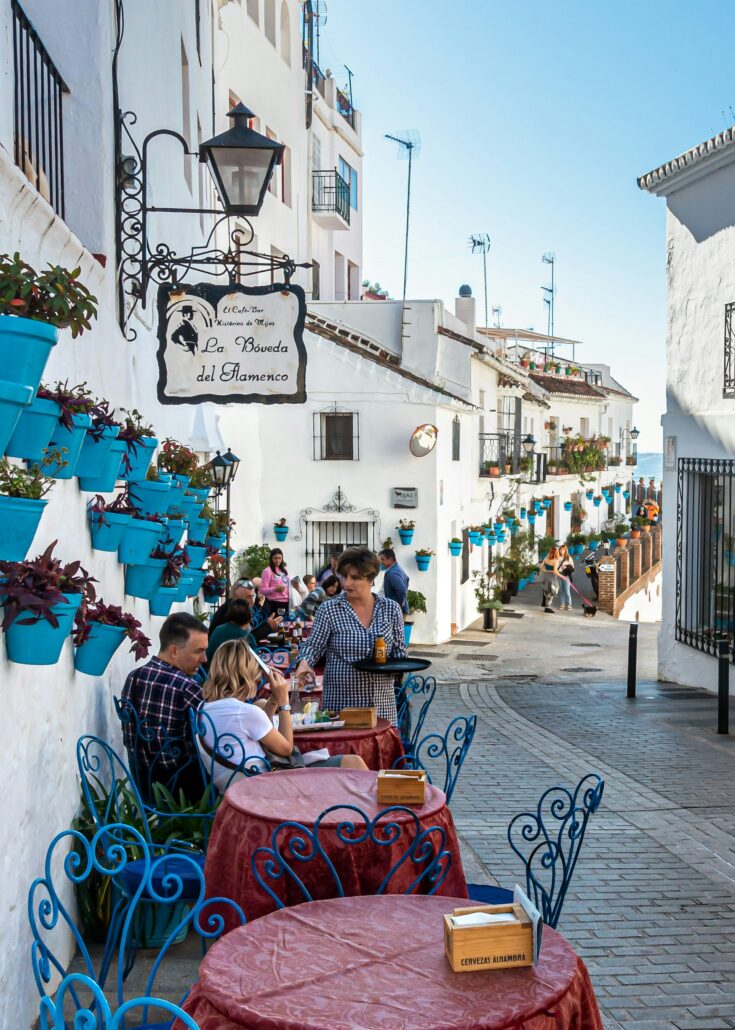
Spanish cuisine is a global delight, characterized by fresh, simple, high-quality ingredients and a social approach to dining. It is celebrated worldwide for its flavor, quality, and communal nature.
Read MoreLess
Tapas Culture: The iconic tradition of tapas encourages a social, shared eating experience, moving from bar to bar to sample small, delicious dishes. Tapas are small plates of food, often served free with a drink in certain regions, like Granada. The act of tapeando (going out for tapas) is a communal experience that reflects Spain’s social lifestyle.
Signature Dishes: Enjoy world-famous staples such as paella, Iberian cured ham (Jamón Ibérico), tortilla española, and fresh seafood. Paella, native to Valencia, is the country’s most famous rice dish, traditionally cooked with saffron, seafood, or meat.
Wine and Olive Oil: Spain is one of the world’s top producers of wine and olive oil. Olive oil forms the base of the Mediterranean diet, and regional wines, from Rioja to Ribera del Duero, offer abundant tasting opportunities. Cured meats like Jamón Ibérico and local cheeses are also must-try specialties.
Other Famous Spanish Dishes: Include tortilla de patatas (Spanish potato omelet), gazpacho (cold tomato-based soup), patatas bravas (fried potatoes with spicy sauce), and churros con chocolate for a sweet treat.
Lifestyle: The Spanish way of life emphasizes community, family, and a relaxed pace.
Social Life: Spaniards value social interaction, often centered around food and drink. Dinners typically start late, often after 9:00 PM, and are leisurely affairs.
Siesta: While less common in large cities, the midday break still influences business hours, with many smaller shops closing between 2 PM and 5 PM to avoid peak heat and prioritize wellbeing.
SUN, SEA AND BEACHES OF SPAIN
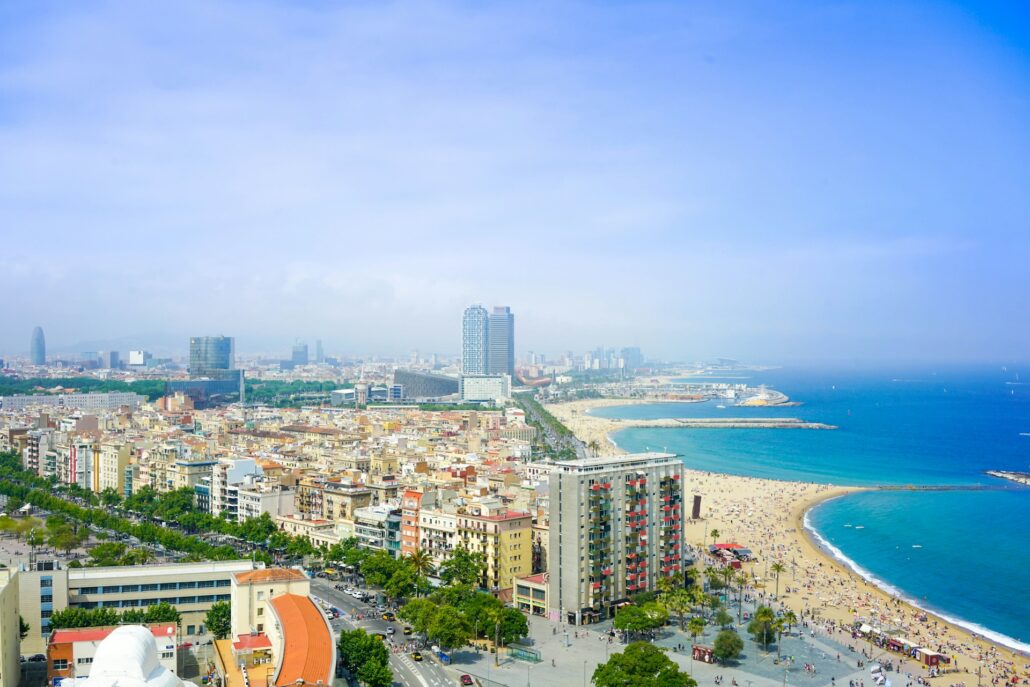
Spain is a premier destination for coastal holidays, boasting the world’s largest number of Blue Flag beaches, which signify high standards of cleanliness, safety, and environmental management.
Read MoreLess
Mediterranean Coasts (South & East):
Costa del Sol (Málaga): Famous for its year-round warm climate, glamorous resorts like Marbella, and bustling promenades.
Costa Brava (Catalonia): Characterized by rugged cliffs, charming fishing villages like Cadaqués, and hidden coves.
Valencia and Costa Blanca (Alicante): Known for wide, sandy urban beaches and the stunning natural beauty of Albufera Park.
Islands (Balearic & Canary):
Balearic Islands (Mallorca, Ibiza, Menorca, Formentera): Offer everything from the legendary nightlife of Ibiza to the secluded coves and natural beauty of Menorca and Formentera.
Canary Islands: Located off the coast of Africa, known as the “Isles of Eternal Spring” for their consistently mild climate, featuring unique volcanic landscapes and black-sand beaches, especially in Tenerife and Lanzarote.
Atlantic Coast (North):
Galicia and Basque Country: Offer wilder, greener, and often less-crowded landscapes, with excellent city beaches like Playa de la Concha in San Sebastián.
Need More Info?
Suggested Itineraries
A Taste of SPAIN
3 - Night / 4 - Day
Morning: Explore Prado Museum for Spanish masterpieces (Goya, Velázquez).
Afternoon: Visit Royal Palace and stroll through Plaza Mayor.
Evening: Tapas dinner in La Latina neighborhood and enjoy lively nightlife.
Morning: Take a short train ride to Toledo; explore the cathedral, Jewish Quarter, and medieval streets.
Afternoon: Head to Segovia to see the Roman aqueduct, Alcázar, and enjoy cochinillo (roast suckling pig).
Evening: Return to Madrid for a relaxed dinner.
Morning: Visit Sagrada Família and Park Güell.
Afternoon: Explore the Gothic Quarter and La Rambla for shopping and street performances.
Evening: Enjoy seafood by the beach at Barceloneta.
Option 1 – Valencia: Stroll the City of Arts and Sciences, enjoy paella by the beach, and walk through the old town.
Option 2 – Andalusia (Granada or Seville): Visit the Alhambra in Granada or the Seville Cathedral and Alcázar in Seville for stunning Moorish architecture.
Travel Tips
Spring (March–May) and autumn (September–November) for mild weather and fewer crowds.
Spain’s high-speed trains (AVE) make travel between major cities fast and convenient. Consider city metro systems for local travel.
Comfortable walking shoes, light layers for daytime, and a jacket for cooler evenings, especially in mountainous regions.
Euro (EUR)
Spanish (Castilian), with regional languages like Catalan, Basque, and Galician.
Latest Highlights
Some common questions most new clients ask
Customer Testimonials
Please leave us a Google review sharing your experience.
Ready to start your adventure
Ready to create memories? Complete the form below to secure your spot or request more details about this unforgettable package
Lets Get Started

© 2025 Mabu Afrika Connect. Designed and developed by Yusuf Hendricks.